Talking about grief and loss is never easy. Whether your child has experienced the bereavement of a close family member or friend, has lost a much-loved pet, or has never experienced such loss, I want to encourage you to have conversations about grief and loss with your child. It is easy to tell ourselves that our children have their whole lives ahead of them and death is the last thing on their minds.
‘Why would we want to talk about grief and loss to children if we don’t need to?’ we tell ourselves. ‘Surely, it’s far too morbid a subject – they can worry about it when they are much older.’ This might be what we’d like to believe but it’s not true. Children do worry about death and dying, and many of our children will experience loss at a young age. Between the ages of about 5 and 9, children start to understand that death is permanent and irreversible, and they gradually begin to become aware of the inevitability of death as a part of life. Of course, we also have our own anxieties about death, and this can make discussions about death incredibly difficult.
Grief can lead to difficult and intense feelings that are confusing, painful and tough to manage and children lack sophisticated coping mechanisms to deal with their ‘too difficult’ feelings. The emotional energy from these feelings can ‘leak out’ in unwanted behaviour, such as bullying, aggressive behaviour, bed-wetting, separation anxiety, hyperactivity, sleeping problems, nightmares, eating difficulties, self-harm or a constant state of anxiety or unhappiness. Teaching children about grief and loss can help them develop healthy coping mechanisms.
But how do we do this?
- Embrace opportunities to talk about death
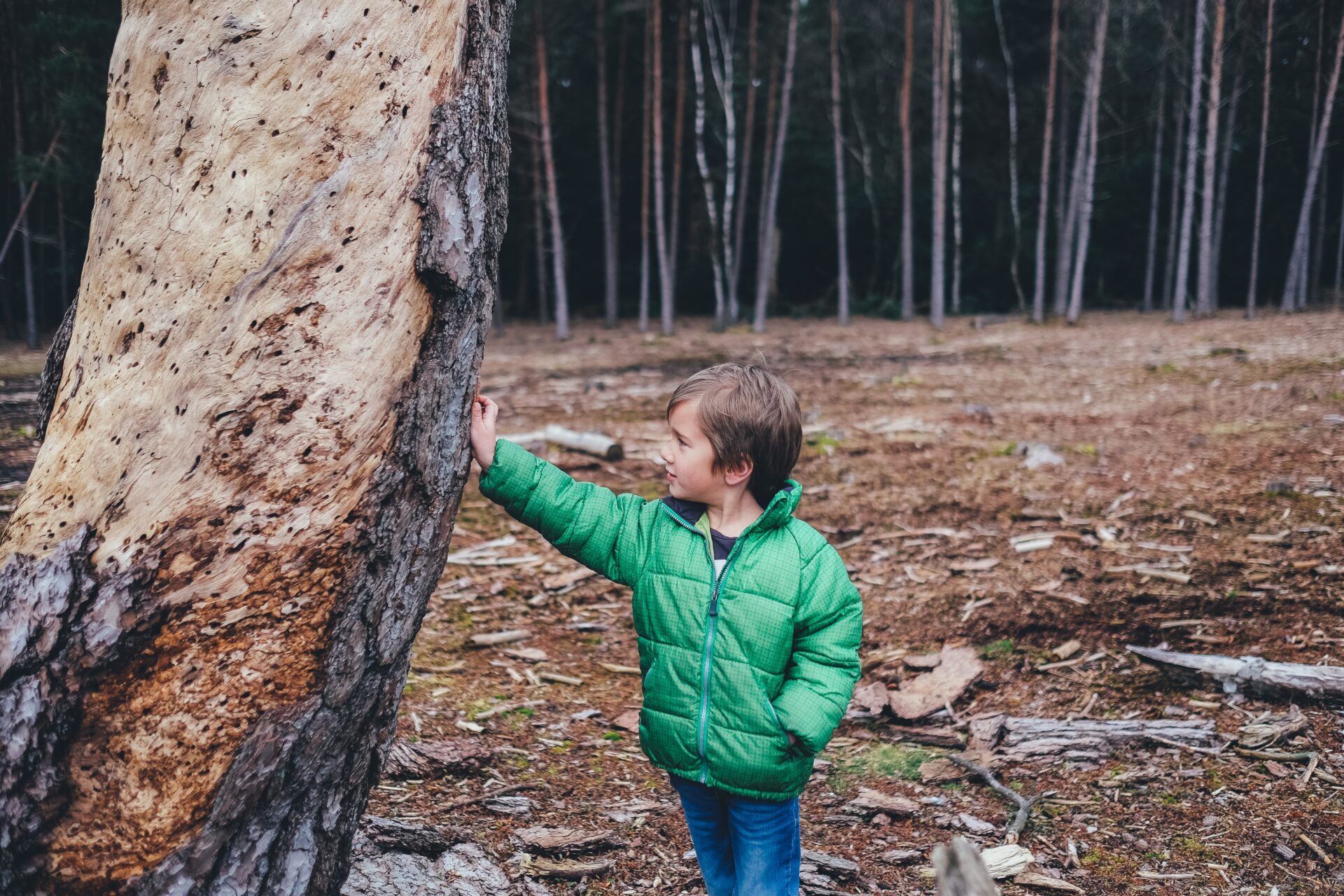
Children tend to be curious when they find death in nature. Perhaps they find a dead insect, bird or tree. This provides an opportunity to discuss death and you can explain that all living things eventually die, and this makes room for new life. The death of pets can be a helpful way to talk about how we feel and will allow children to better understand the grief process.
- Read stories that children can relate to
Children find it much easier to understand feelings through images, metaphors and stories than through ‘everyday’ language. Stories speak to children in a language of imagination. Children can identify with the characters of a story, suffer the same obstacles and defeats in their imagination, and feel the character’s courage to continue. They feel hope because they are no longer alone – the character is having the same problems as they are.
- Use the right language when you talk about death
It is not helpful to tell children to ‘be strong’ or that ‘big boys don’t cry’ as this encourages children to hide their feelings. It is also much better to talk about death honestly and directly. Try not to use euphemisms such as ‘gone to sleep’ or ‘gone away’. This may make a child anxious when they go to sleep at night or worried that you might not come back when you go out. Some religious language can lead to confusion. For example, children may worry that God will come and take them if they are told that someone who has died “is with God now”.
- Give children honest and age-appropriate answers to questions
At the age of about 6, most children go through a phase of asking their parents about death. They want to know why people die and what happens to people when they die. They want to know if you, their parent, will die and what will happen to them if you do. It is important to reassure children, but you don’t need all the answers. You could say “I’m not sure about that” or “It can be difficult when we don’t always have the answers to questions, but it’s OK to ask.” Children respond to openness and honesty and feel better about not knowing everything themselves.
- Give plenty of reassurance
Children need reassurance that they are safe and loved and that they can discuss their feelings openly. It can help them to understand that only very serious illness may cause death so that they don’t worry that minor ailments are a cause for major concern. It is also reassuring for children to know that, although young people can die, most people live a very long time. In summary, children need us to open and honest and unafraid of talking about grief and loss. Try to use direct language, seek to acknowledge feelings, and look for stories that help children to process and understand these feelings.