
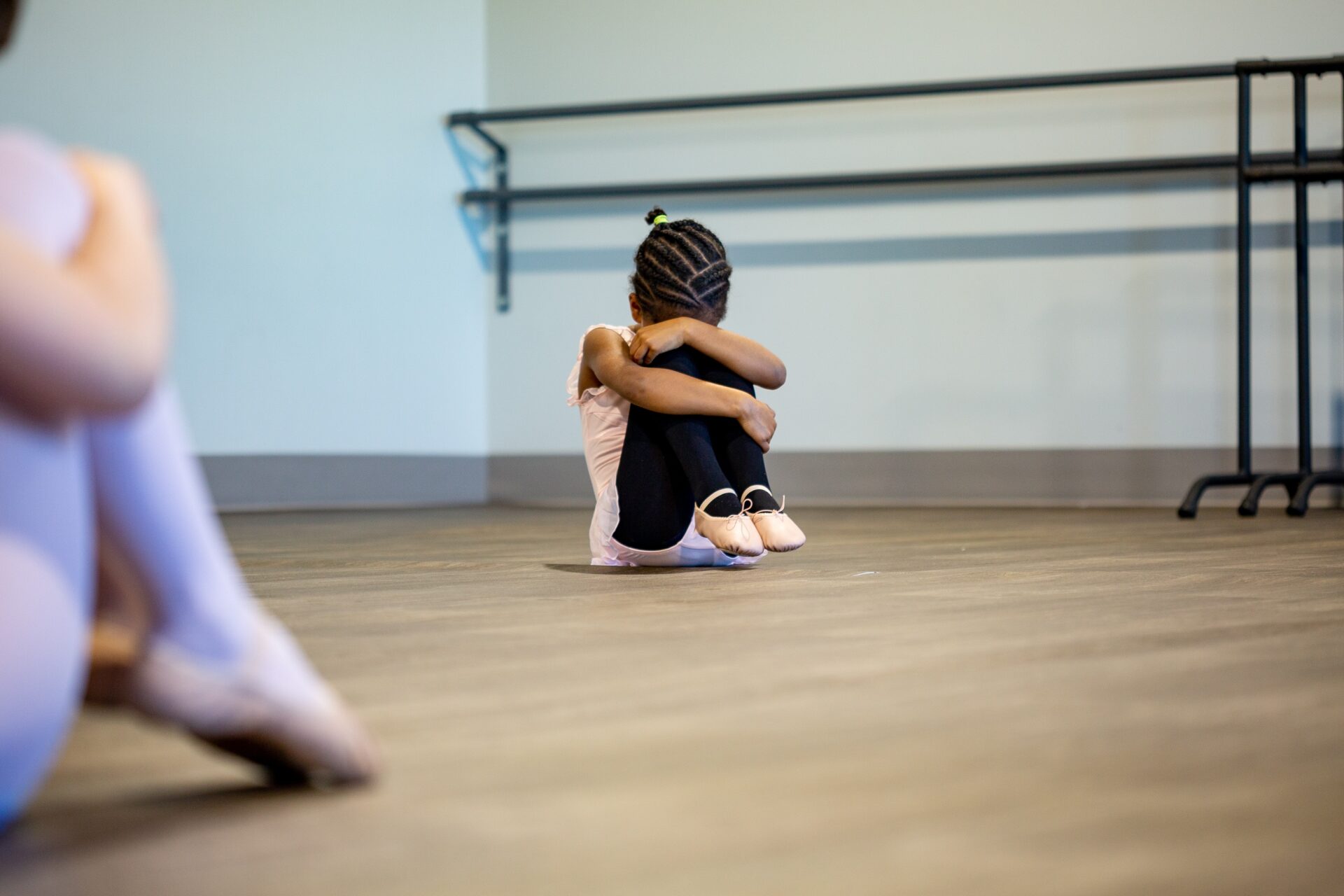
- Difficulty to express own needs
- Insecurity
- Accepting unhealthy behaviour from friends, including rudeness without being assertive and putting boundaries
- Afraid of failure
- difficulty to “lose” in games and other activities, irritated in these situations and even lying to avoid losing
- Starting to avoid everyday activities or giving easily up tasks
- Unhealthy behaviour to compensate low self-esteem: missing school, bullying others, alcohol and drugs
Signs of anxiety:
- crying easily
- Eating problems, lack of appetite or over-eating, stomach pains
- Sleep problems, waking up in the night, wetting bed, nightmares
- Concentration problems
Signs of both low self-esteem and anxiety:
- Avoiding trying new things and taking challenges
- Negative thoughts about themselves, others and the world and comparing themselves to others in a negative way
- Constant validation seeking from others
- Becoming more irritable, anger outbursts
- A decline in school performance or interest in friends and hobbies.
What can cause low self-esteem and anxiety? There are many different things affecting self-esteem and causing anxiety. Our personality and genetic makeup affect us. Some people are more sensitive to react with anxiety and worrying. The environment we live in can affect our self-esteem and cause stress and anxiety. The home environment can affect our self-esteem: Do we feel loved and safe at home? Are there competition and comparisons between siblings? Are adults and other siblings supportive and encouraging or putting you down with negative comments? How about other relatives? Is there competition between cousins or do grandparents have a favourite kid? School and friends affect also massively during childhood. What is the atmosphere at school? Are teachers and other staff supportive and encouraging? Are there enough good friends? The good thing is that there are many ways to help your child to have healthy self-esteem and reduce anxiety. There are different ways to help your child and teenager to develop healthy self-esteem and manage and reduce anxiety.
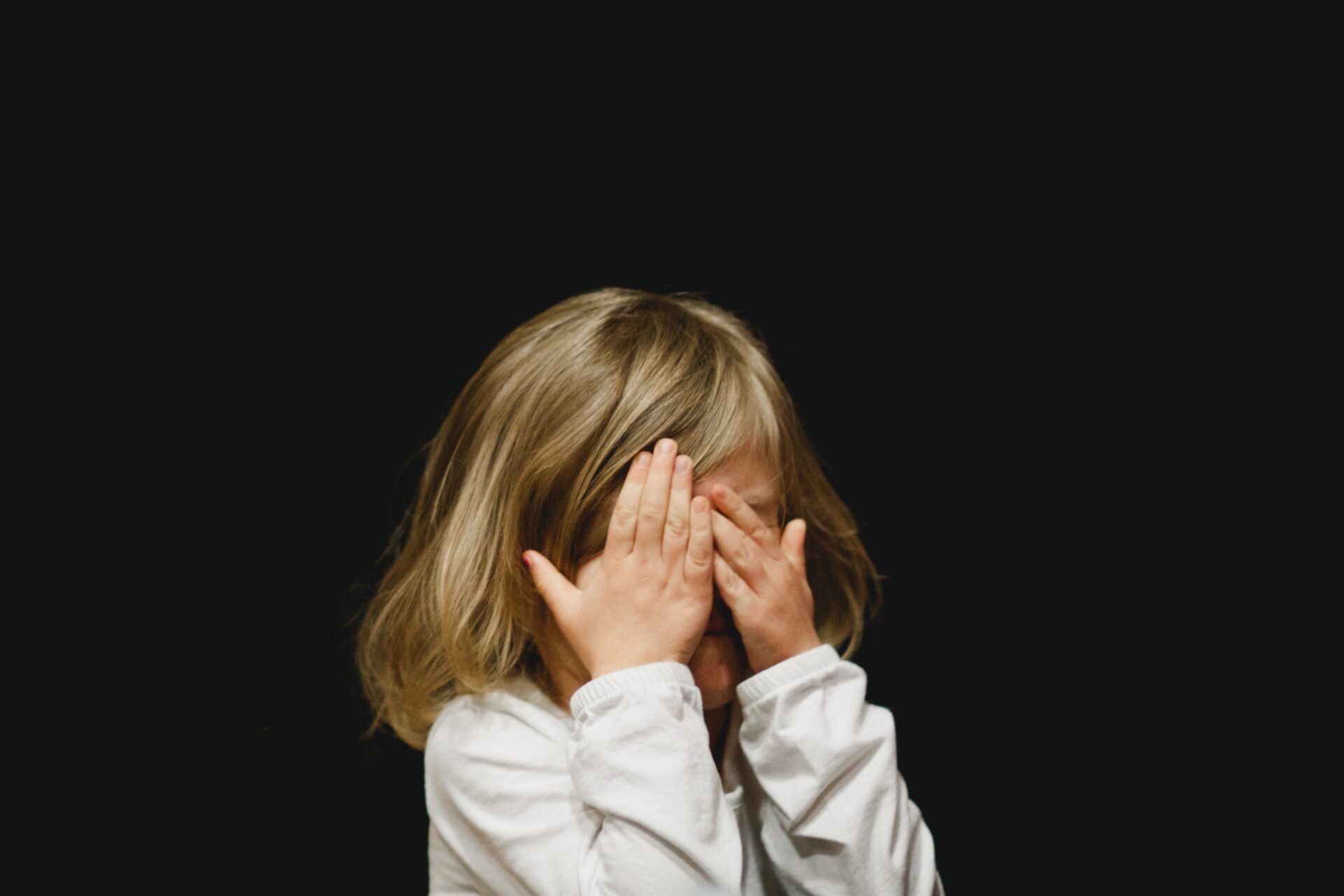
How to help your child to manage and reduce anxiety?
- Help your child to understand his/her anxiety better and verbalise his/her fears. It is good to identify the negative thoughts and challenge them.
- Help your child to talk about his/her worries and focus on problem-solving
- Give positive examples of how people have managed to face their fears and overcome challenges. Reading books related to this topic is useful.
- Remind your child of past experiences where the child has been able to challenge the avoidance behaviour related to the anxiety
- Teach your child and practise together deep breathing, mindfulness and relaxation. There is good mindfulness and relaxation apps to get started.
- Seek professional help (GP, therapy) if the symptoms continue. For example, CBT -therapy helps to understand the situation better and challenge the thinking style related to low self-esteem and anxiety.
How adults can help children and teenagers develop healthy self-esteem?
First of all, your attitude, talking style and behaviour towards yourself and your child and others is an important example to your child.
- Cherish the idea that we are human beings – not human doings. Our worth is not related to how well we do academically or otherwise.
- Avoid comparing yourself or your child to others negatively
- If a child does something bad on purpose – condemn the behaviour, not the child as a person.
- Cherish the idea of mistakes and failures as learning experiences. Open up also about your own mistakes as learning experiences.
- Encourage the children to try different things without pressure to succeed
- Give positive feedback
- When you give feedback – focus more to cherish the effort and trying than the outcome
- Be yourself a good example: be compassionate towards yourself and others. Don’t talk negatively about yourself and your appearance.