When we embark on the beautiful adventure of having a family, it can become a challenge to find the right balance between having a life with the whole family and a work life balance as well as time alone. The joy of having children can sometimes become overwhelming when the routine of work and life gets out of balance, and we try our best to get more meaning in our lives as a whole family.
In a modern society where many families see both parents working long hours, it is important for parents to learn to balance work and home life. This is never easy, but how we manage it and progress our way through it can make a big difference to our relationships with our family. This means being able to work in a way that fits around our family commitments and can prevent us from feeling as though we are neglecting our responsibilities within our family and our home and helps us to feel we have a grasp on our life. As a result of this our family will be happier because we are more present in each other’s lives and we then, as a result, get to spend quality time together as a whole.
Looking after ourselves as parents can be a challenge as parents are often seen to be spending the majority of their time looking after everyone else in the family and forget about themselves. If as parents we don’t look after ourselves, we can end up feeling resentful and this will lead to not being able to offer our children the support they need. Being able to admit to yourself that your needs and feelings also need to be met is not a selfish thought.
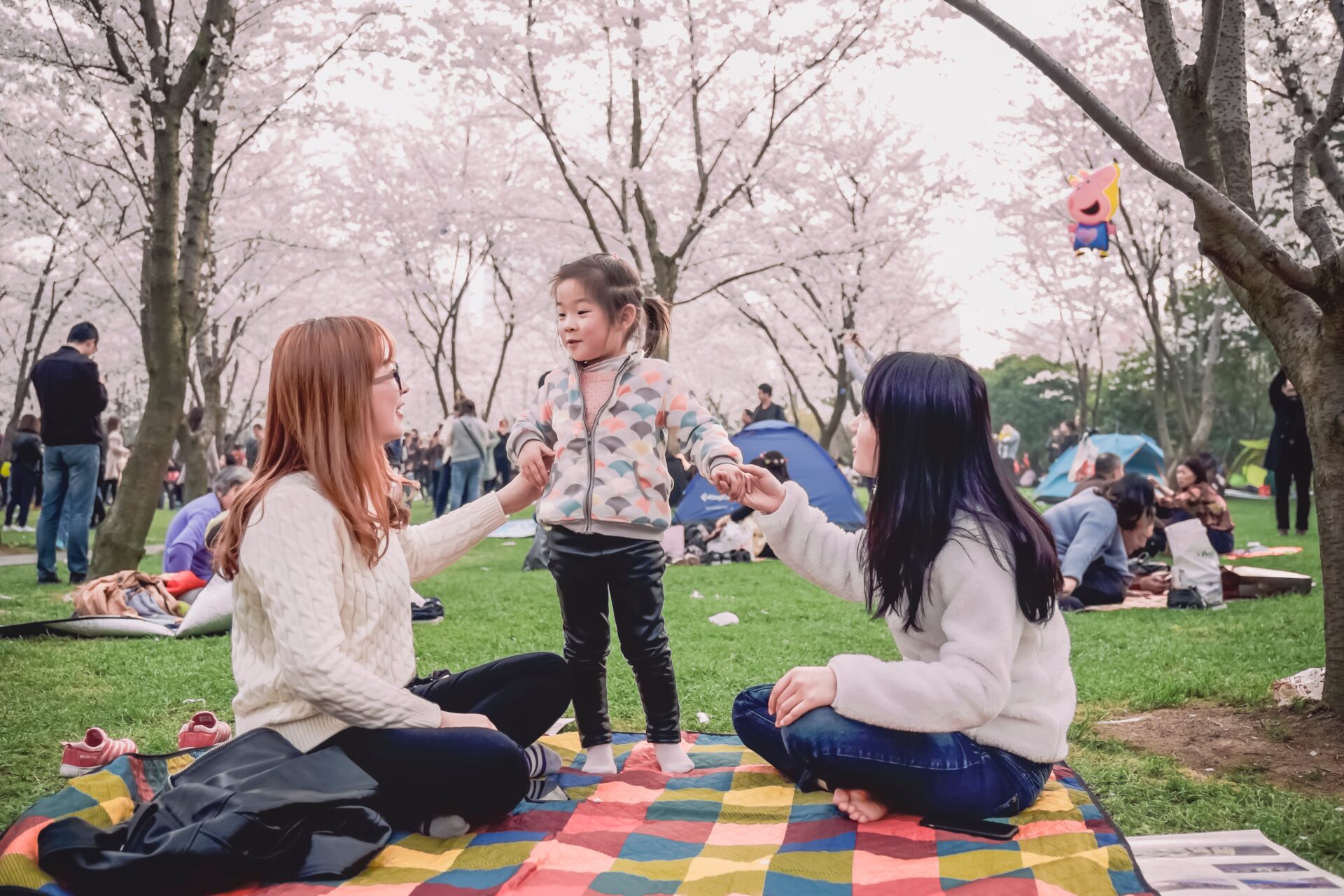
Setting clear boundaries within the family unit leads to positive outcomes. Instead of thinking about discipline as a form of punishment, setting clear boundaries helps the whole family to work better together allowing clear understanding of what is expected. This encourages the family to work well as a team. Encouraging children to get involved at home from a young age prevents those things from becoming chores. Starting with minor “works” of encouragement.
Allowing a toddler to put their washing in the wash basket but making it a game. Small insignificant jobs that can build over time. Building pride of space in self from a young age. This then results in the onus of housework not just falling on the parental figures in the home. We usually set boundaries to protect our children from the outside world. This is important. It is important to try and explain why boundaries are put in place. When you, your partner or your children do something that isn’t acceptable, it is better to explain why this was unacceptable as this will prevent fear and misinterpretation of meaning as explanations help keep things clear. It is normal for children to test boundaries. At those times you may well find it a good time to adapt the boundaries and show the children that boundaries can change to fit the circumstances and to always recognise that certain boundaries are non-negotiable.
Those boundaries are usually around safety! Communication within a family unit can only help in the outside world when forming relationships. Creating an environment for the whole family for open communication is a positive approach for children to be heard and learn to listen without prejudice. It is important to recognised that communication is vital in both the good and the tough times. It can be difficult to express our feelings in society and within a family setting but when children visibly see their parental figures listen and hear what each person is expressing it can be enough. Sharing with our children about our daily lives and including them in conversations helps each family member to feel valued and as they grow older they will feel able to be open and honest.

Spending quality time together as a family, a few times in a week, even if for meals where time is short, gives the family an opportunity to connect and share important issues and also have the space to have general conversations. Quality time can also include sharing chores together. Children will feel included, even though as they get older you may hear protests, it keeps them involved rather than excluded and isolated in their bedrooms. Letting your children know that you are there for them right from the start and to show them that you are going to be there through the hard times and the good times and that as a family you can work together to resolve any situation and pulling together can really help. More than anything else, children thrive on time spent with their parents. Spending time with your children are times to remember.
Whilst it is important to have a good routine within the family unit, sometimes it is also important to show your children that down time is positive too. It can be difficult when you have a family to find time alone with your partner or alone, but in order to find a balance, it is important to make time. Remind yourself that children’s first point of reference about relationships is what they see at home and the more positive an experience they see, the more positive connections they will want to make. Spending quality time together as a family is important, spending quality time doing things you love is important and equally, spending time together without the children keeps relationships thriving.